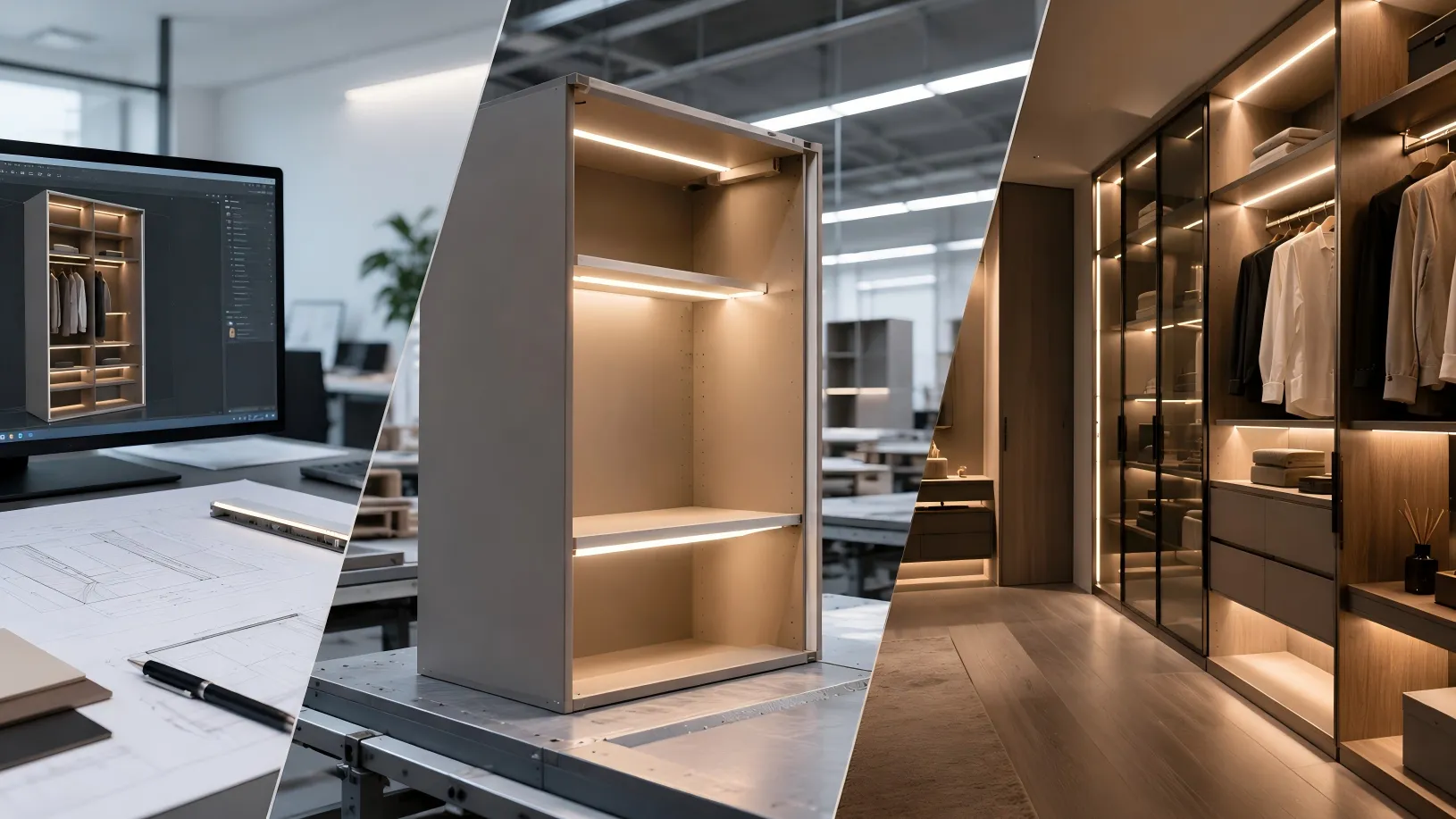
Furniture lighting can look simple on a drawing.
A light is selected. A location is marked. A sample is built. The lighting works.
But when the same solution moves into production and installation, unexpected problems can appear.
The issue is not always the lighting product itself. In many furniture projects, the real challenge is the gap between design, product requirements, production, and installation.
For cabinet makers, furniture manufacturers, and project suppliers, identifying these gaps early can make lighting easier to integrate, reproduce, and maintain.
Here are five common gaps to consider.
1. Lighting Requirements Are Not Fully Defined
A furniture project may begin with a simple requirement: “We need lighting here.”
But that is rarely enough for production.
Before selecting products, the project should define the basic lighting requirements, including:
When these details are left open, decisions may be pushed into later stages of production or installation.
That can lead to additional adjustments, component changes, or unnecessary modifications to the furniture structure.
The goal is not to define every technical detail on the first day.
It is to make sure the key requirements are clear enough for the lighting solution and furniture design to develop together.
For more on this topic, see Why Furniture Manufacturers Should Consider Lighting Early in Product Development.
2. The Lighting Design Does Not Match the Furniture Structure
Furniture lighting is different from general room lighting.
The available space is limited, components may need to be concealed, and the lighting needs to work within the actual furniture structure.
A lighting solution that looks suitable in a product catalogue may not be suitable for a particular cabinet, wardrobe, shelf, or display unit.
The design should therefore consider the relationship between:
Furniture Structure → Lighting Position → Component Space → Installation Method
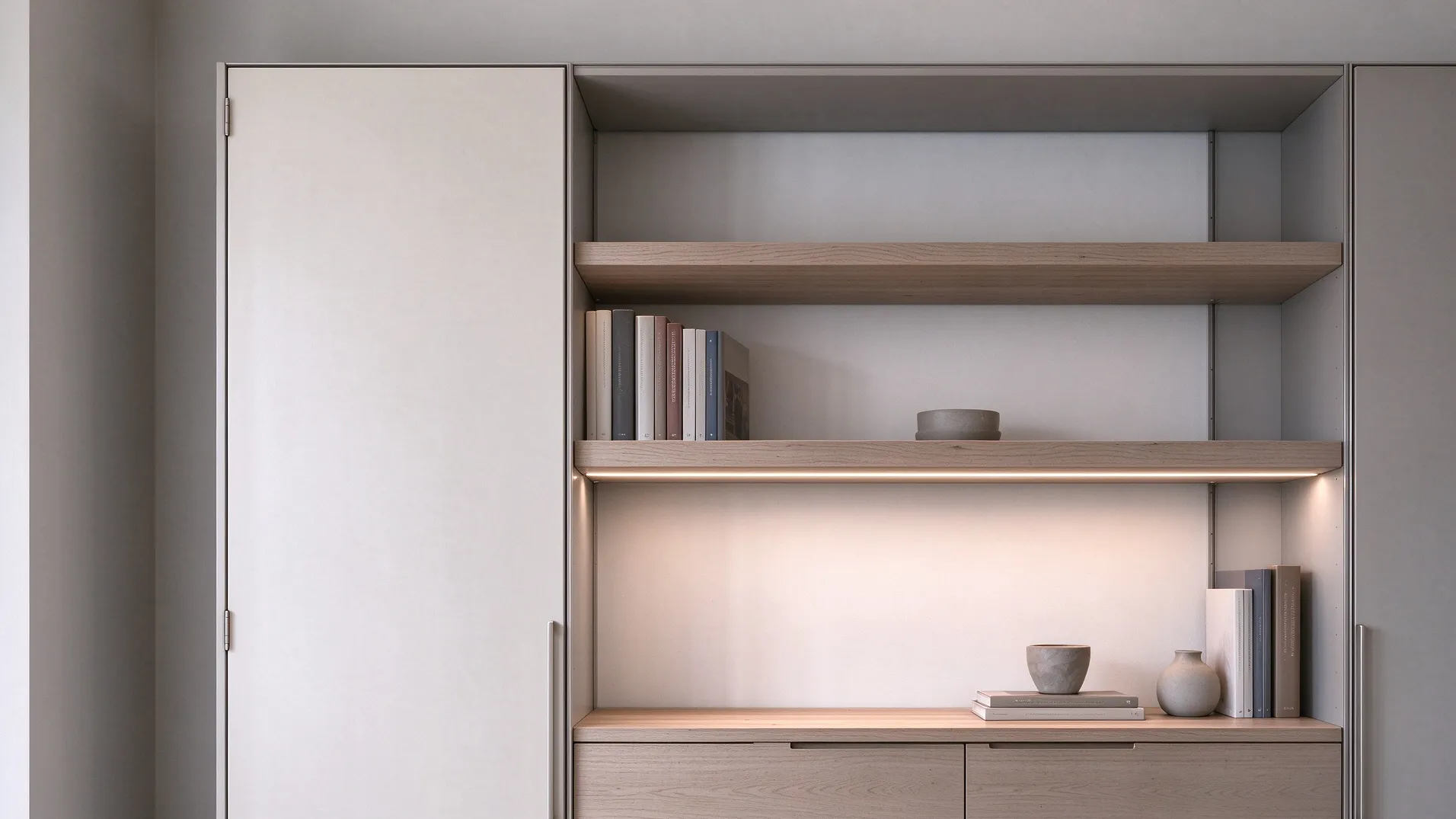
For example, the available space may affect where lighting components can be positioned. The furniture structure may also determine how the lighting is installed and how the finished appearance is maintained.
This is why furniture lighting should be considered as part of the product design rather than as an independent component added afterward.
3. Components Are Selected Separately
Furniture lighting projects often involve multiple components working together.
The challenge is not simply choosing individual products. It is making sure the complete configuration matches the actual application.
A lighting fixture may be suitable on its own. An LED driver may also be suitable on its own. A sensor or controller may work correctly by itself.
But the complete combination still needs to match the furniture structure, control requirements, installation conditions, and production process.
This is why system-level thinking matters in professional furniture lighting.
The objective is not simply to collect compatible products.
It is to develop a solution that works as a whole.
4. A Working Sample Does Not Always Mean a Production-Ready Solution
This is one of the most important differences between a prototype and a production solution.
A sample may work perfectly.
One cabinet can be assembled carefully. An engineer can make adjustments during installation. Any small issue can be solved manually.
Mass production is different.
The same lighting solution may need to be reproduced across many furniture units, production batches, installation teams, or project sites.
At this stage, repeatability becomes just as important as performance.
A production-ready lighting solution should be practical to reproduce.
Installation methods should be clear.
Component configurations should remain consistent.
The relationship between the lighting and furniture structure should be repeatable.
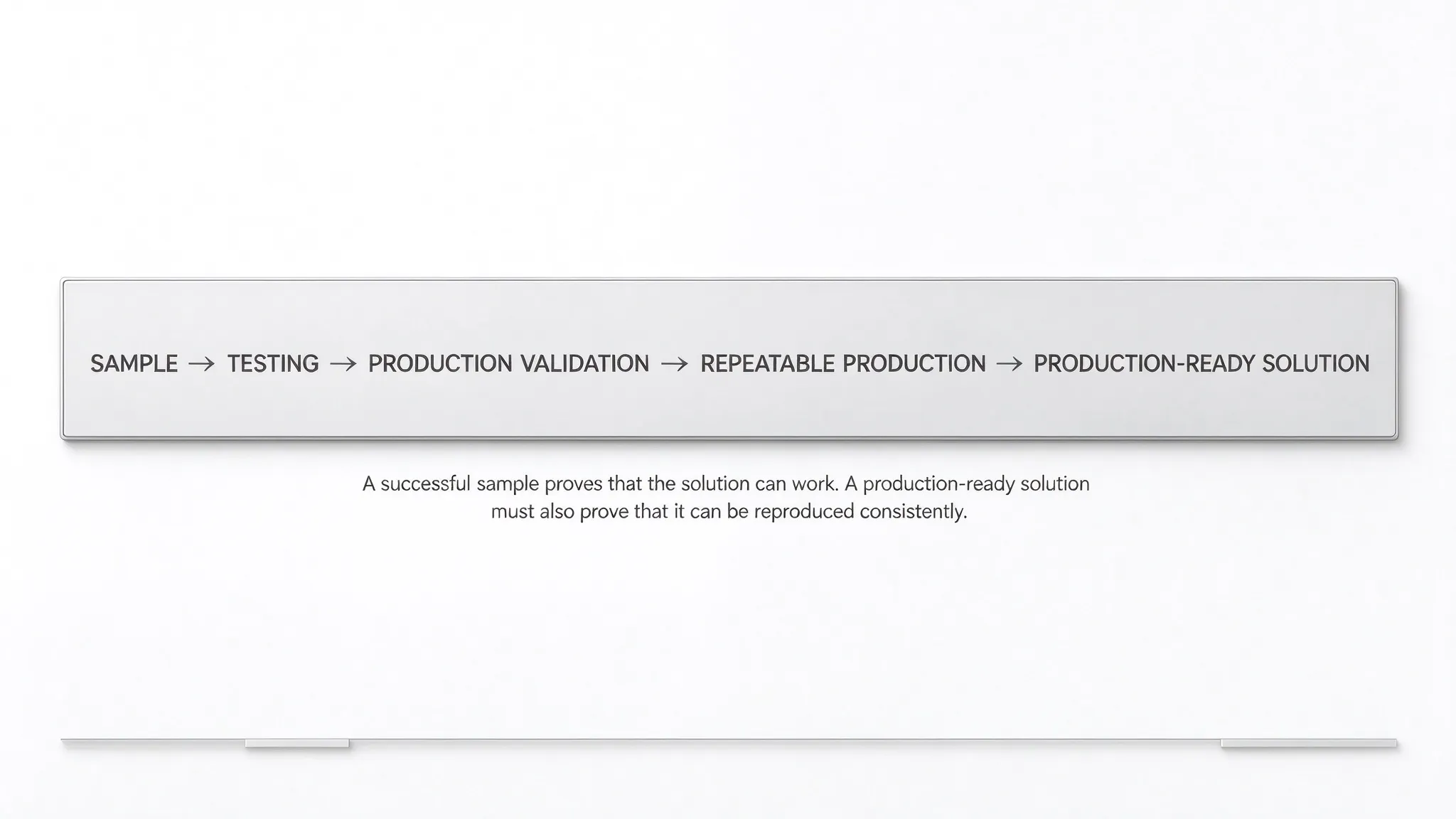
A successful sample proves that the solution can work.
A production-ready solution must also prove that it can be reproduced consistently.
5. Installation and After-Sales Requirements Are Considered Too Late
Lighting is often evaluated mainly by how it looks when the furniture is finished.
But professional furniture projects also need to consider what happens after installation.
Can installers understand the configuration easily?
Can components be accessed if maintenance is required?
Can the same solution be installed consistently across different units?
Can a component be replaced without unnecessary modification to the furniture?
These questions may seem secondary during the design stage, but they can become important once the product enters real use.
A well-planned lighting solution considers not only how the furniture looks on delivery day, but also how it will be installed, maintained, and supported later.
How to Reduce These Gaps
The solution does not need to be complicated.
Before moving a furniture lighting project into production, manufacturers can review five basic points:
1. Define the lighting requirements.
Make sure the key application and product requirements are understood.
2. Confirm the furniture structure.
Check whether the lighting solution fits the actual space, structure, and installation conditions.
3. Match the complete solution.
Consider the lighting and its supporting components as one solution rather than as separate products.
4. Test the complete application.
A successful sample should be evaluated not only for lighting performance, but also for repeatability and production practicality.
5. Consider installation and service.
Think beyond the finished product and consider how the solution will be installed, maintained, and reproduced.
From Lighting Components to a Production-Ready Solution
For furniture manufacturers, lighting is ultimately part of the finished product.
The challenge is not simply finding a light that works.
It is making sure the lighting works with the furniture structure, production process, installation requirements, and long-term use.
That is where an integrated approach can make a difference.
Artcilux develops cabinet and furniture lighting solutions for furniture manufacturers, cabinet makers, millwork companies, and project partners, bringing lighting, power, and control requirements together for different furniture applications.
Explore Artcilux's Furniture Lighting Solutions
.webp "S2102 Wireless Knob Remote Control for Dimming and Color Temperature Adjustment")

