As modern furniture becomes more functional and user-focused, lighting is no longer just a finishing detail. It is becoming an important part of product design and user experience.
For furniture manufacturers, cabinet makers, and furniture brands, considering lighting during the early stage of product development can improve design flexibility, production efficiency, and the overall quality of the final product.
Instead of treating lighting as a component added after furniture production is completed, manufacturers can achieve better results by integrating lighting into the design process from the beginning.
Lighting Is More Than a Final Decoration
In many furniture projects, lighting is still considered an additional feature added after the main product design is finished.
However, modern users expect furniture to provide more than basic functionality. They look for products that combine convenience, aesthetics, and a better user experience.
Integrated lighting can influence:
Furniture appearance and design details
User interaction with the space
The atmosphere of different environments
Product differentiation in competitive markets
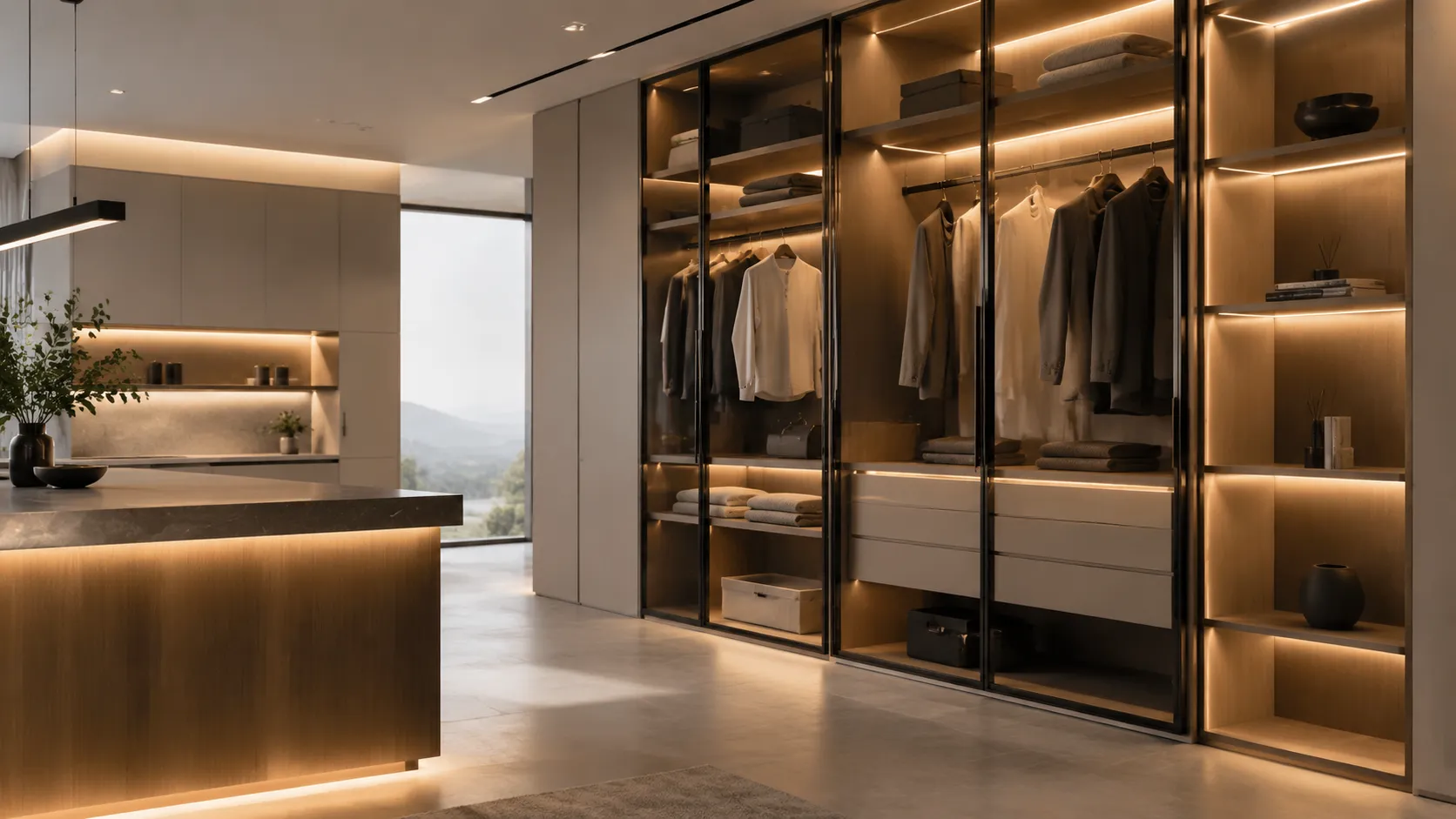
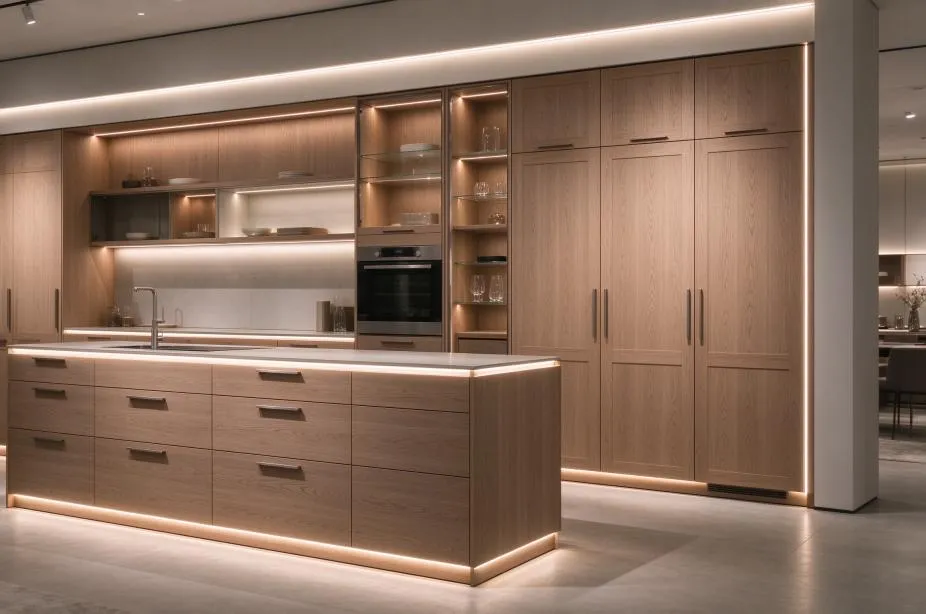
For example, cabinet lighting can improve visibility in kitchens, wardrobe lighting can create a more convenient daily experience, and display cabinet lighting can enhance product presentation.
When lighting is considered as part of furniture design, it becomes an element that supports both functionality and product value.
Early Planning Improves Design and Production Efficiency
Adding lighting at a late stage of furniture production can create additional challenges.
Manufacturers may need to reconsider:
Installation space for lighting components
Cable routing and connection methods
LED driver and control device placement
Assembly processes
By planning lighting during product development, manufacturers can create more efficient solutions from the beginning.
Early integration helps ensure that lighting components work naturally with furniture structures, making production more consistent and reducing unnecessary adjustments during manufacturing.
The Right Lighting Solution Depends on Furniture Design
Different furniture applications require different lighting approaches.
For example:
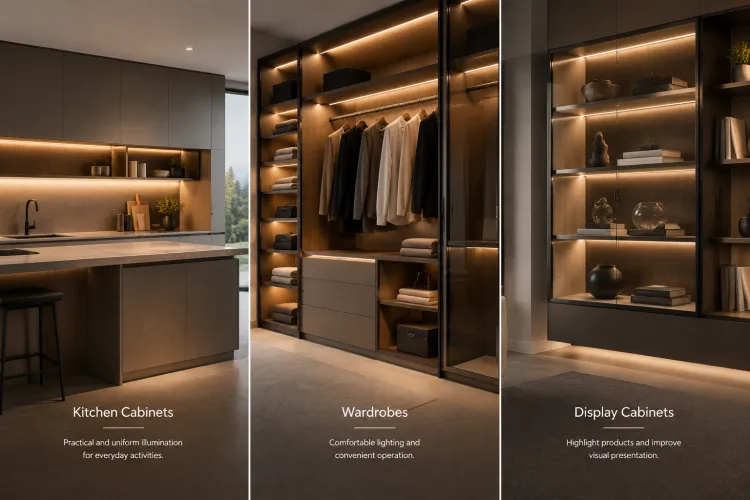
Kitchen Cabinets
Require practical and uniform illumination to support daily activities.
Wardrobes
Often focus on comfortable lighting and convenient operation.
Display Cabinets
Need lighting solutions that highlight products and improve visual presentation.
Each application requires different considerations in terms of brightness, installation method, and control experience.
A successful furniture lighting solution should consider not only the light source itself, but also the furniture structure, installation environment, and overall user experience.
Furniture Manufacturers Need More Than Lighting Components
A complete furniture lighting project involves more than selecting individual lighting components.
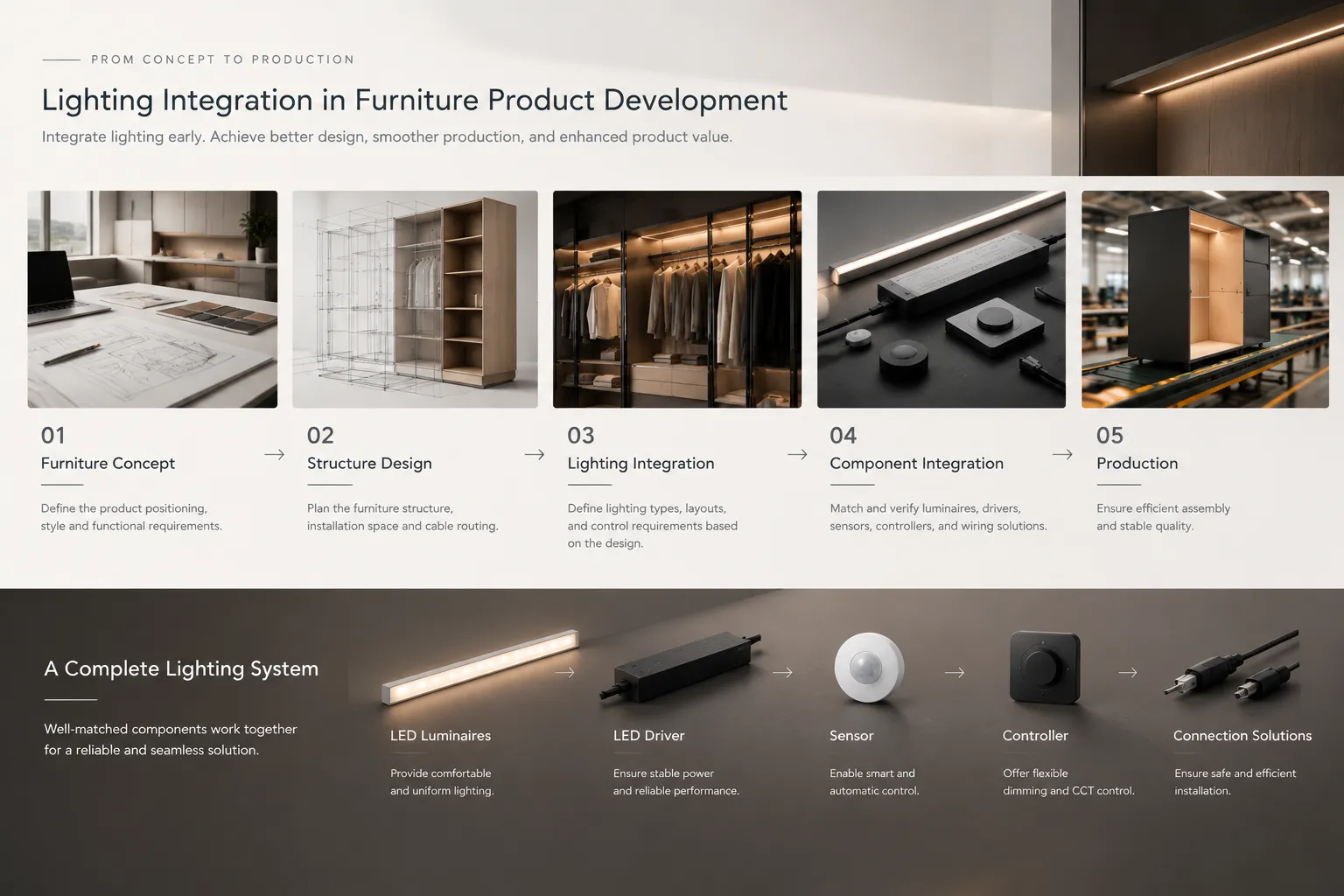
It requires coordination between:
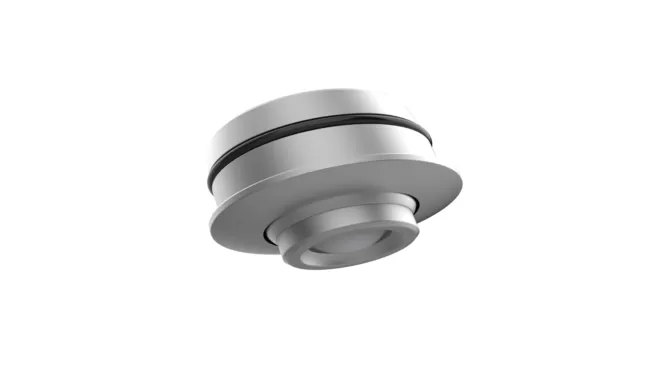
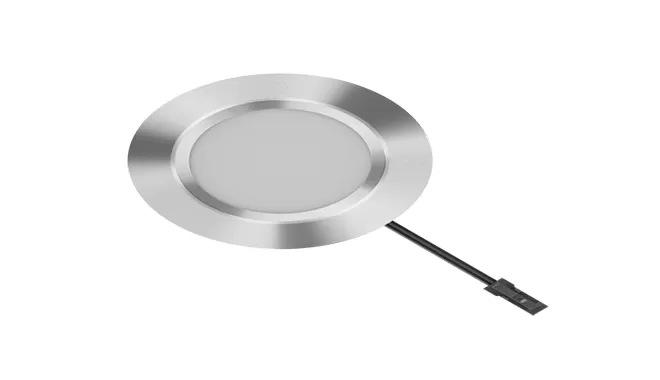
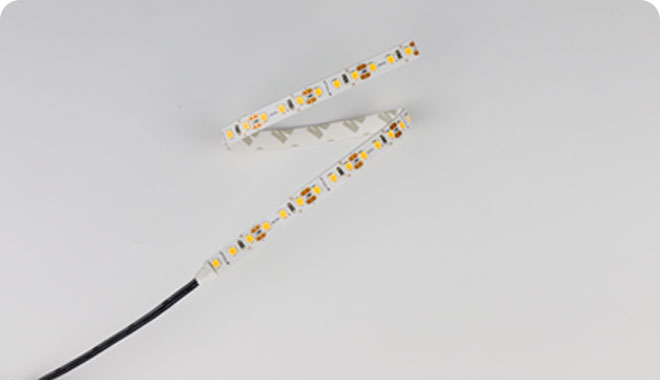
LED luminaires
LED drivers
Sensors
Control devices
Connection solutions
The challenge is not only selecting individual components, but ensuring that all elements work together as a reliable solution.
For furniture manufacturers, working with a lighting partner that understands both lighting technology and furniture applications can help simplify product development and create more reliable solutions.
Building Better Furniture Experiences Through Integrated Lighting
As furniture markets become more competitive, lighting is becoming an important factor that helps products stand out.
The future of furniture lighting is not only about adding light sources, but about creating integrated solutions that combine design, functionality, and user experience.
At Artcilux, we focus on integrated low-voltage furniture lighting solutions, helping furniture manufacturers develop reliable and flexible lighting applications from concept to production.
With expertise in furniture lighting systems, Artcilux supports custom furniture lighting projects for cabinets, wardrobes, display furniture, and other applications.
By considering lighting earlier in product development, manufacturers can create furniture products that deliver better experiences for end users.
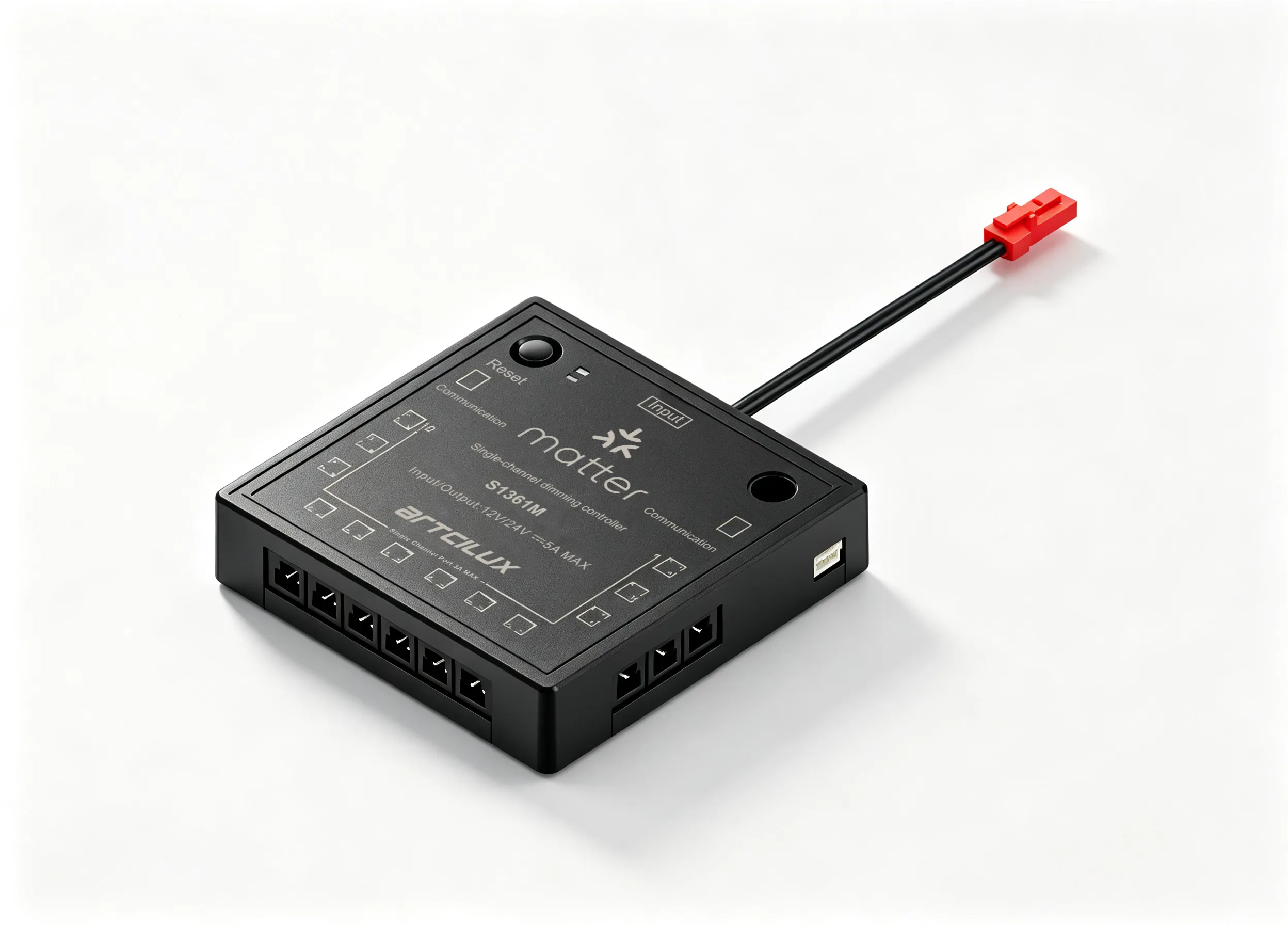
.webp "S2102 Wireless Knob Remote Control for Dimming and Color Temperature Adjustment")