How Does a Wireless Sensor Switch Work?
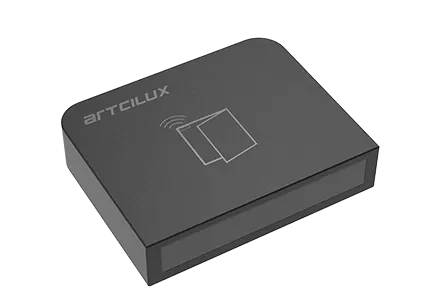
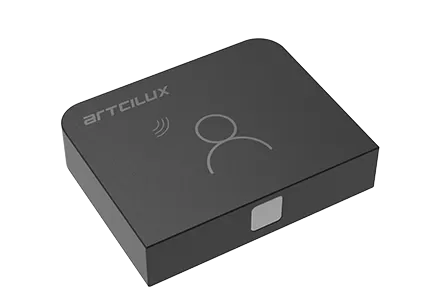
A wireless sensor switch works as a wireless transmitter in the cabinet lighting control system. When the sensor detects a door movement, human motion, or touch command, it sends a wireless signal to a compatible receiver. The receiver then controls the connected LED lighting according to the selected function.
Wireless Sensor / Sender → Wireless Signal → Compatible Receiver → LED Lighting
This wireless setup reduces control wiring around the sensor position and allows more flexible installation in cabinets, wardrobes, kitchens, and custom furniture.
Explore Smart Cabinet Lighting Controllers →
Wireless vs Wired Cabinet Sensor Switches
| Feature | Wireless Sensor Switch | Wired Sensor Switch |
| Control | Sends signal to receiver | Direct low-voltage connection |
| Wiring | Less control wiring at sensor | Requires physical wiring |
| Placement | More flexible | More fixed |
| Retrofit | Easier | Better planned in advance |
| Best For | Modular or retrofit furniture | Mass-produced pre-wired furniture |
Choose wireless control when flexible sensor placement and reduced control wiring are important. For direct 12V/24V wired control, explore our Cabinet Sensor Switches.
How to Choose a Wireless Sensor Switch
| Requirement | Recommended Option |
| Light turns on when door opens | Wireless Door Sensor |
| Automatic motion detection | Wireless PIR Sensor |
| Direct user control | Wireless Touch Sensor |
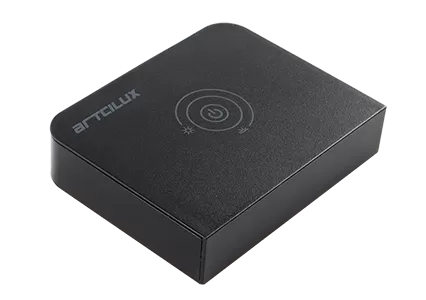
| Panel-style control | Wireless Panel Switch |
| Multi-zone / smart system | Sensor + Compatible Receiver |
Before selecting a wireless sensor, confirm the receiver compatibility, control function, installation position, transmission requirements and lighting system configuration.
Frequently Asked Questions
What is a wireless sensor switch for cabinet lighting?
A wireless sensor switch controls cabinet or furniture LED lighting by sending a wireless command to a compatible receiver. Depending on the sensor type, the system can respond to door movement, human motion, or touch without requiring direct control wiring between the sensor and receiver.
How does a wireless PIR sensor work with a receiver?
A wireless PIR sensor detects human movement and sends a signal to a paired receiver. The receiver then switches or controls the connected LED lighting. This type of wireless motion sensor system is commonly used in wardrobes, closets, cabinets, and other furniture lighting applications.
Can a wireless motion sensor switch control LED cabinet lights?
Yes. A wireless motion sensor switch can control compatible LED cabinet lights through a matched receiver or lighting controller. It is especially useful for wardrobes, closets, and furniture where automatic lighting and flexible sensor placement are required.
What is the difference between a wireless door sensor and a wireless PIR sensor?
A wireless door sensor activates lighting according to the opening or closing of a cabinet or wardrobe door. A wireless PIR sensor detects human movement instead, making it more suitable for motion-activated lighting in closets, cabinets, and furniture areas.
Does a wireless sensor switch need a receiver?
Yes. Most wireless sensor switches work as senders and require a compatible receiver to control the LED lighting. The sensor sends the command wirelessly, while the receiver connects to the lighting system and executes the switching or control function.
Are all 2.4GHz wireless sensors compatible with the same receiver?
No. The same 2.4GHz frequency does not automatically guarantee compatibility. The wireless sensor and receiver must also use compatible pairing protocols and control functions. Always confirm the sender and receiver models before configuring a cabinet lighting system.
Can a wireless touch sensor be used for cabinet lighting?
Yes. A wireless touch sensor can provide convenient manual control for cabinet and furniture lighting while allowing more flexible placement than a directly wired sensor. It must be paired with a compatible receiver designed for the required lighting control function.

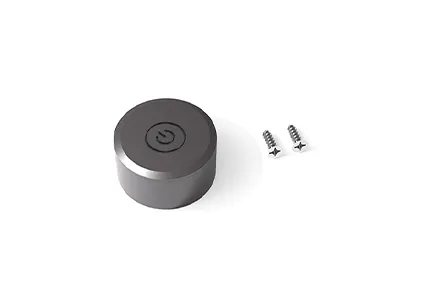




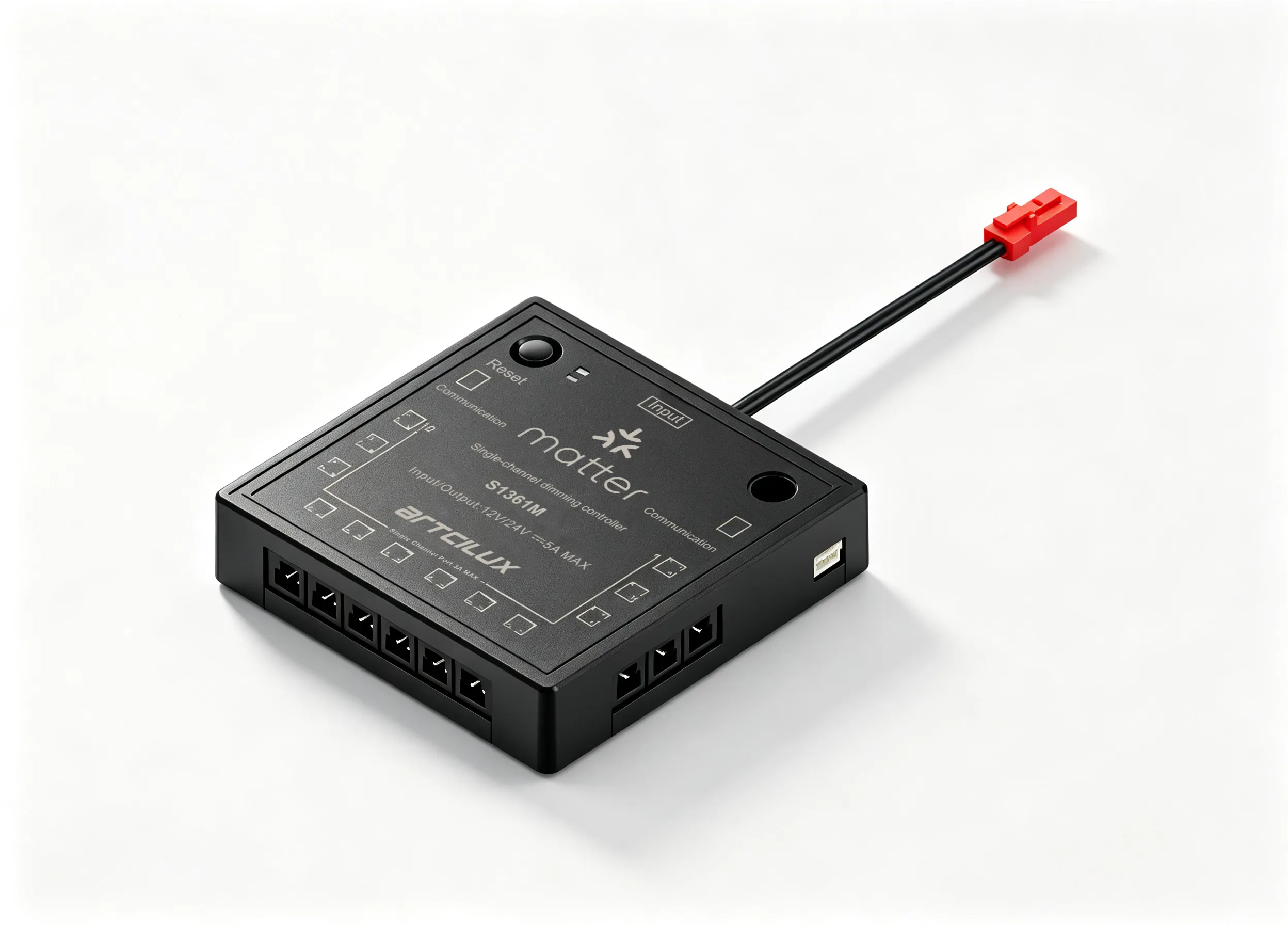
.webp "S2102 Wireless Knob Remote Control for Dimming and Color Temperature Adjustment")