A well-designed kitchen needs lighting that makes food preparation comfortable without leaving visible cables or bulky fixtures. The decision between plug in under cabinet lighting and permanently wired fixtures affects installation, appearance, maintenance, and future flexibility.
Plug-in systems use a nearby outlet and can be practical for renovations. Hardwired systems connect through a planned electrical circuit and are often preferred for integrated cabinetry. Neither approach is universally superior. The right choice depends on the cabinet structure, available electrical connections, lighting layout, and whether the project involves new furniture or an existing kitchen.
What Makes Plug-In and Hardwired Cabinet Lighting Different?
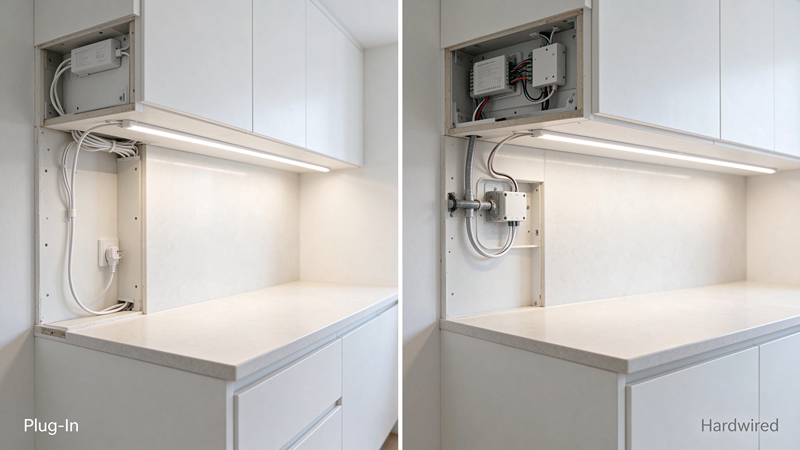
Plug-in lighting typically uses a power cord or adapter connected to an accessible electrical outlet.The LED fixture itself may still operate at low voltage, even when the system uses a plug-in power adapter.It can be installed without creating a completely new permanent lighting circuit, although cable management remains important.
With a hardwired setup, the building's mains supply is connected to a compatible LED driver through a fixed electrical connection. The driver then provides the rated low-voltage output to the cabinet lights.
This arrangement can reduce visible plugs and adapter cords, creating a cleaner finished appearance. However, the driver and any required connection points must remain accessible for maintenance and be installed according to applicable electrical requirements. Mains-side electrical connections should be handled by a qualified electrician.
The distinction is about the power connection, not necessarily the LED fixture itself. A low-voltage light can be supplied through a plug-in adapter or an appropriately installed hardwired driver.
For cabinet makers, the decision should be made during furniture design. Early planning helps determine where the cables, drivers, connectors, and access points will be located.
Comparing Installation, Appearance, and Maintenance
The following comparison helps furniture manufacturers and kitchen designers assess both options.
| Factor | Plug-In Lighting | Hardwired Lighting |
|---|
| Power connection | Electrical outlet | Planned electrical circuit |
| Installation | Often simpler in existing kitchens | Requires electrical installation planning |
| Visual appearance | Cable concealment needed | Wiring can be more discreet |
| Maintenance | Adapter may be accessible | Driver access must be designed |
| Renovation suitability | Often convenient | Depends on existing wiring |
| Project planning | Requires accessible outlets and cable routing | Requires early electrical and driver placement planning |
| Furniture integration | Suitable with planned cable routes | Suitable for integrated cabinetry |
Hard wired under cabinet lighting is not automatically brighter or more efficient. Light output depends on the LEDs, optics, operating power, and driver compatibility.
Similarly, plug-in systems are not inherently less professional. When properly designed, they can provide a neat appearance and reliable illumination.
How to Plan Low-Voltage Cabinet Lighting
Many furniture lighting systems use low voltage under cabinet lighting supplied through a compatible LED driver or power adapter.
Begin by selecting the fixtures and confirming their rated operating voltage. Then calculate the total connected load and choose a driver with suitable output capacity.
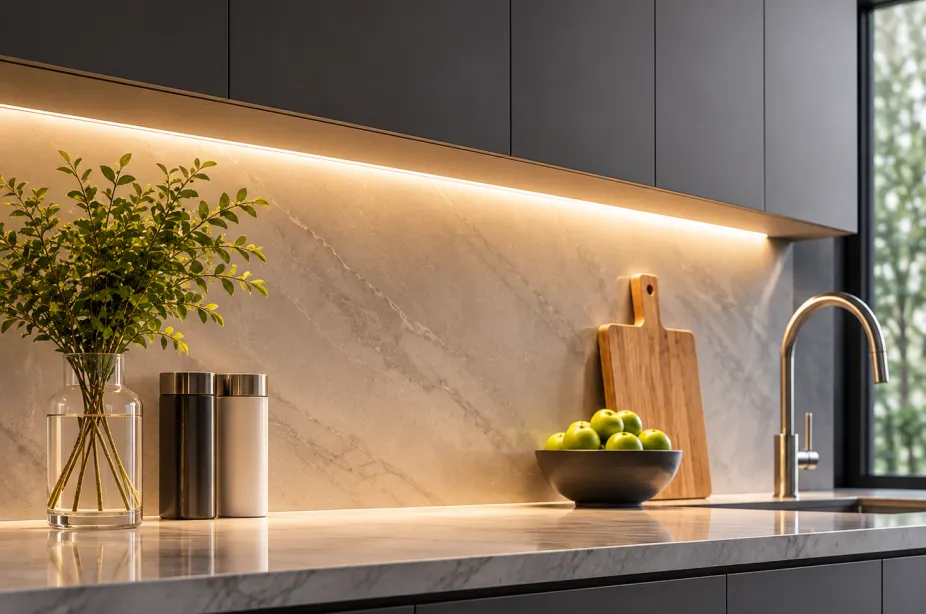
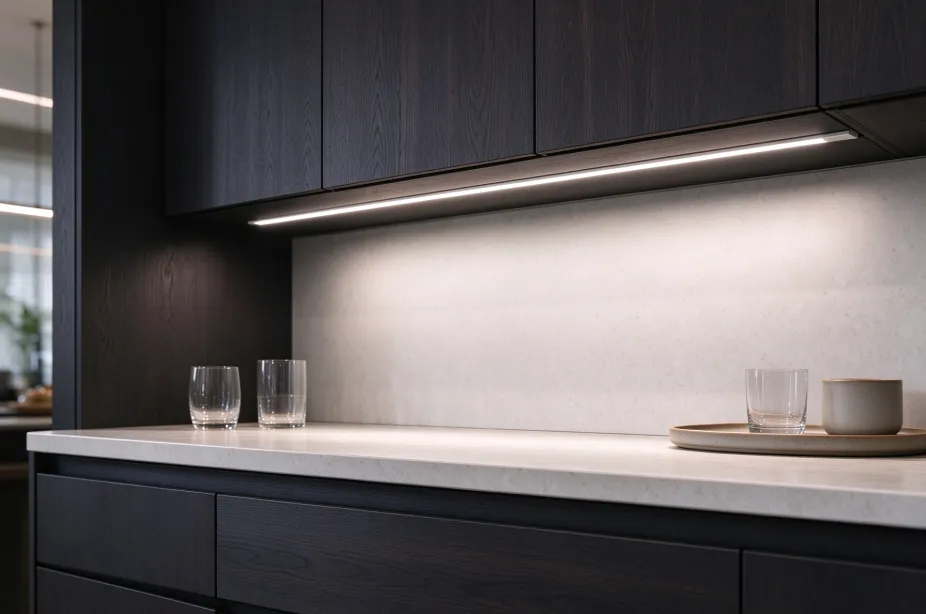
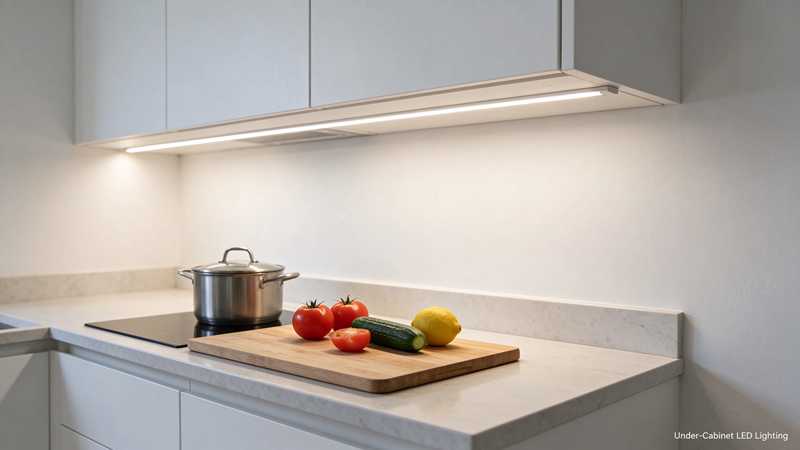
Next, plan the fixture positions. Lighting installed toward the front of an upper cabinet can illuminate the working surface while helping reduce shadows cast by the user's body. The best position still depends on the cabinet depth, fixture beam distribution, and countertop finish.
A complete plan should also identify the locations of connectors, sensors, switches, and power supplies.
In wet or heat-exposed areas, verify the fixture's environmental rating and installation instructions. Electrical connections must comply with applicable local requirements.
Cabinet Light Installation: Design Details That Matter
A successful cabinet light installation should consider the furniture construction before the lighting is mounted.
Recessed fixtures require prepared grooves or cavities. Surface-mounted fixtures may be more practical where cabinet panels cannot be routed.
Cable routes should avoid moving drawers, hinges, sharp edges, and other components that may damage wiring. LED drivers and connection points should also remain accessible for maintenance.
Before bulk production, evaluate a full-size sample to check cable routing, connection access, glare, and lighting consistency.
How ARTCILUX Supports Integrated Kitchen Lighting
ARTCILUX provides integrated cabinet and furniture lighting products for kitchen manufacturers, cabinet makers, and project suppliers. Its product portfolio covers LED lighting fixtures, drivers, control devices, and connection accessories for different furniture lighting applications.
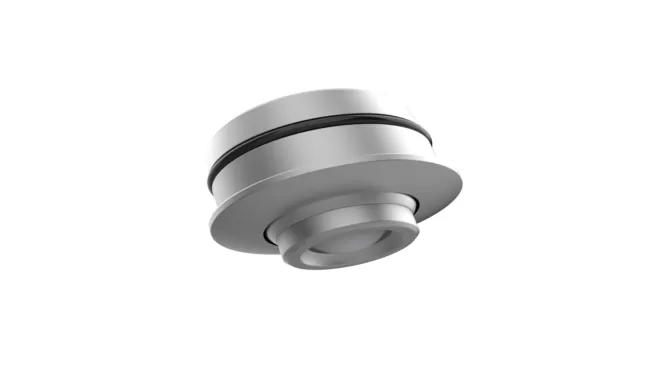
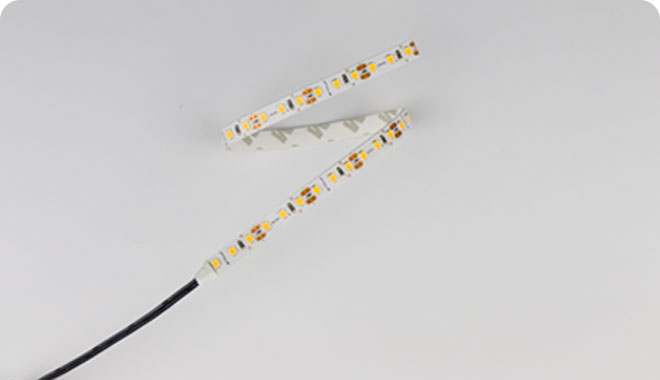
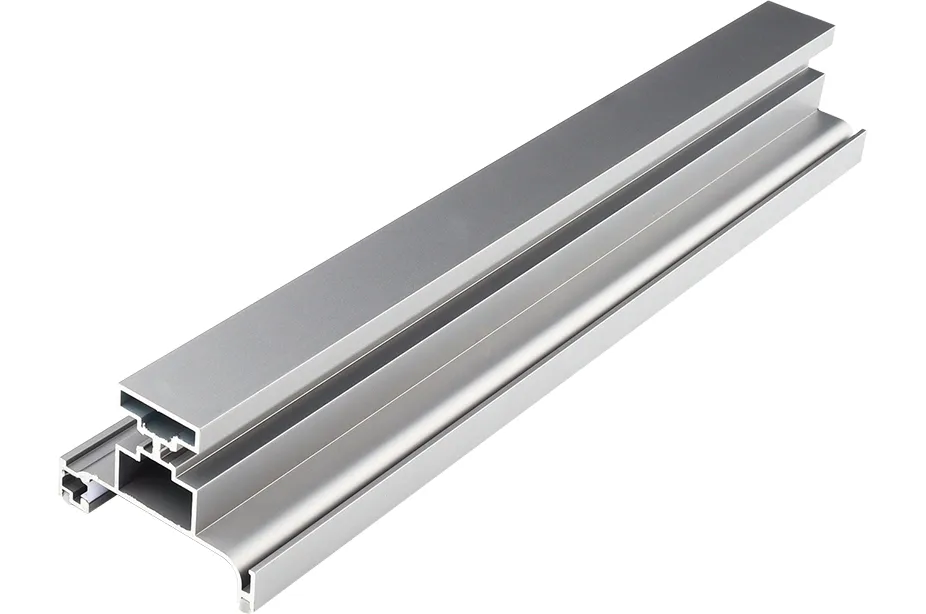
Its under-cabinet lighting range includes linear fixtures, flexible LED strips, light panels, and spotlights. Available product categories also support recessed, surface-mounted, and integrated furniture installation.
When planning plug-in or hardwired under-cabinet lighting, manufacturers should specify the fixture type, operating voltage, power connection method, cable routing, mounting method, and control requirements together.
ARTCILUX also offers customized cabinet lighting solutions covering dimensions, color temperature, finishes, wiring, and sensor integration, subject to project requirements.
Explore the ARTCILUX Under-Cabinet Lighting range or review its Kitchen Cabinet Lighting options.
For an OEM project, provide cabinet drawings, desired illumination, installation constraints, and target-market electrical requirements to support an informed product recommendation.
Conclusion
The best under-cabinet lighting connection is the one that fits the kitchen's installation conditions and long-term maintenance needs. Plug-in systems can simplify renovation projects, while hardwired configurations can support discreet integration in newly designed cabinetry. Both require compatible drivers, thoughtful cable routing, and suitable fixture placement. Lighting quality depends on the complete system rather than the connection method alone. ARTCILUX offers different cabinet lighting formats and customization options for furniture manufacturers seeking consistent appearance, practical installation, and dependable illumination. Confirm electrical requirements and test a representative cabinet assembly before approving production.
Frequently Asked Questions
Can plug-in cabinet lights be concealed behind furniture?
Yes, provided outlets, adapters, cables, and access points remain compatible with electrical and installation requirements.
Do LED cabinet lights require an external driver?
Many low-voltage systems do. Some products use integrated or plug-in power solutions. Check the exact fixture specifications.
Can one power supply operate several cabinet lights?
Yes, when its output voltage, wattage, ports, and control interfaces match the connected fixtures.
Is a dimmer compatible with every under-cabinet LED fixture?
No. The light, driver, and dimming control must be compatible.
Can the Same Low-Voltage Cabinet Lights Be Used in Plug-In and Hardwired Systems?
Yes, in some cases. The same low-voltage fixtures can work with either setup when paired with a compatible LED driver.
Can ARTCILUX customize cable lengths for furniture projects?
ARTCILUX lists wiring and cable configuration among its customization options. Project feasibility should be confirmed with its team.