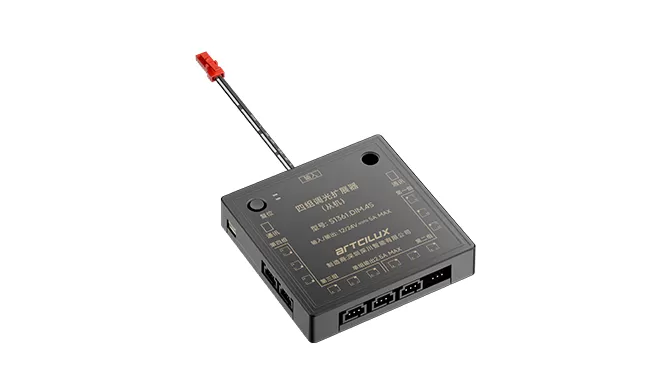
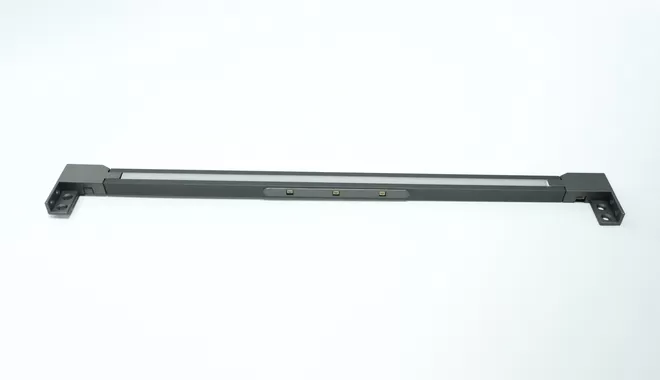
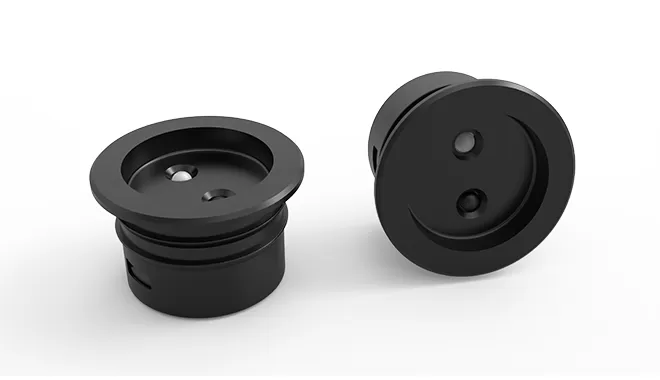
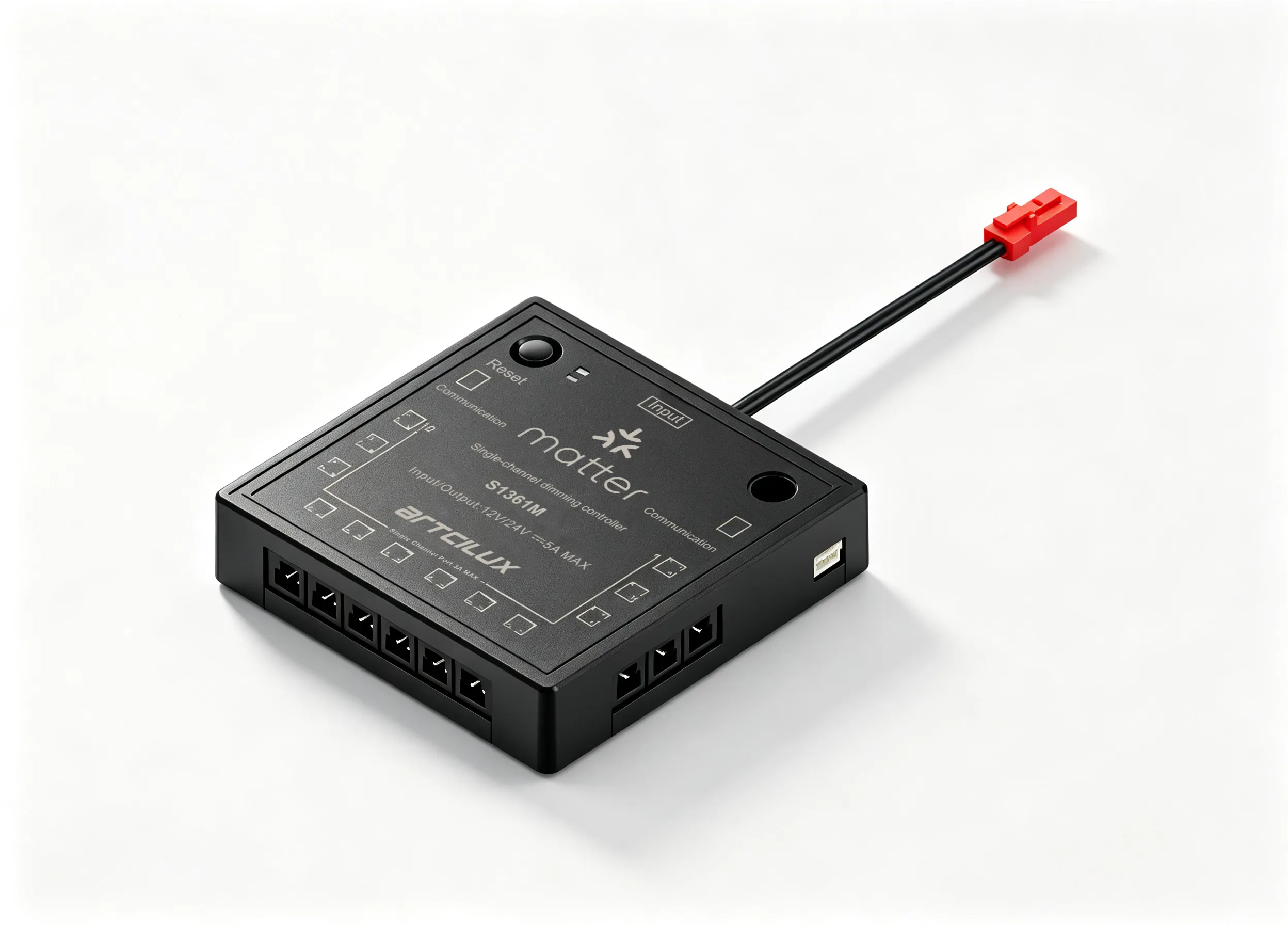
A reliable cabinet lighting system depends on more than the LED fixture itself. LED lights, LED drivers, sensors, receivers and controllers must be correctly matched to achieve stable operation, convenient control and clean integration into kitchens, wardrobes, shelves and custom furniture. This cabinet lighting wiring guide explains the basic system architecture and the key points furniture manufacturers, cabinet makers and project designers should consider before installation.
Quick Answer: How Is Cabinet LED Lighting Typically Wired? In a typical low-voltage cabinet lighting system, AC power is connected to an LED driver, which provides the required output for the lighting system. A compatible control device can then manage switching, sensing, dimming or wireless commands before the cabinet LED lights operate. The exact architecture depends on the LED driver, control device and lighting products being used.
Safety Note: This guide focuses on system architecture and low-voltage cabinet lighting connections. Connections to mains electricity must comply with applicable electrical codes, product instructions and local regulations. Line-voltage work should be carried out by a qualified electrical professional where required. For additional lighting safety information, see UL Solutions' lighting safety and certification guidance.
Basic Cabinet Lighting Wiring Diagram
At a system level, cabinet LED lighting can usually be understood through four functional stages: the AC input, LED driver, control device and LED lighting load.
| AC Power | → | LED Driver | → | Control Device | → | Cabinet LED Lights |
This diagram is intentionally simplified. In an actual cabinet lighting system, the control device may be integrated into the LED driver, installed on the low-voltage side, connected through a separate receiver, or arranged differently according to the product design. Always follow the wiring diagram and compatibility requirements provided for the specific components being used.
If you are selecting the lighting fixtures themselves, explore ARTCILUX cabinet LED lighting for linear lights, LED strips, panels, spotlights and integrated furniture lighting options.
1. Choose the Correct LED Driver Before Wiring
The LED driver is one of the key components in a cabinet lighting system. It provides the voltage and current required by the connected LED lighting system. An incorrectly matched LED driver may result in unstable operation, insufficient output, flicker or system failure.
The U.S. Department of Energy Solid-State Lighting Program provides technical resources on LED lighting systems, performance and lighting controls.
Check These LED Driver Parameters
| Parameter | What to Check |
|---|
| Output Voltage | Match the rated operating voltage of the cabinet LED lights, such as 12V or 24V where applicable. |
| Total Lighting Load | Calculate the combined wattage of all lighting fixtures connected to the LED driver. |
| Driver Capacity | Select sufficient output capacity for the intended lighting load and system configuration. |
| Control Compatibility | Confirm compatibility with dimming, sensor control, wireless receivers or smart lighting functions. |
| Installation Environment | Consider installation space, ventilation, temperature and the environmental conditions around the LED driver. |
LED driver manufacturer MEAN WELL also provides technical guidance on matching LED driving equipment with wattage, voltage/current requirements, operating environment and dimming functions.
For ARTCILUX products, see the Cabinet Power Supply category.
2. Wiring a Basic Cabinet LED Light
A simple cabinet lighting installation usually consists of a compatible LED driver and one or more low-voltage LED fixtures. The LED driver provides the required output to the cabinet lights according to the rated electrical specifications of the system.
| AC Power | → | Compatible LED Driver | → | Low-Voltage Output | → | Cabinet LED Light |
Before connecting the lighting fixture, confirm its rated voltage, connector specification and polarity requirements where applicable. Two cabinet lighting products may look similar while using different voltages, connectors or electrical configurations.
3. How to Connect Multiple Cabinet Lights to One LED Driver
Furniture lighting projects often use several cabinet lights connected to one LED driver. Examples include multiple wardrobe shelves, several kitchen cabinet sections or a group of display cabinet lights.
The combined electrical load should be calculated before selecting the LED driver. When multiple lights are connected, their total wattage must remain within the supported output capacity and electrical limits specified for the driver and control system.
System Design Tip: Do not select an LED driver only because the connector fits. Output voltage, total load, connector configuration, control compatibility and the manufacturer's specified operating limits should all be verified.
| LED Driver | → | Distribution / Output Ports | → | Light 1 | Light 2 | Light 3 | Light 4 |
Multi-port LED driver systems can simplify furniture production by allowing several lighting branches to be organized around one centralized unit. When correctly designed, this can improve wiring consistency, assembly efficiency and future maintenance.
4. How to Connect a Cabinet Sensor Switch
Sensor control allows cabinet lights to operate automatically or interactively. Common options include a Door Sensor Switch, PIR Sensor Switch, Hand-Wave Sensor Switch and Touch Sensor Switch.
In a wired system, the sensor or control device is connected according to the designated product architecture and controls the cabinet lighting when the required condition is detected.
| LED Driver | → | Compatible Sensor / Control Device | → | Cabinet LED Light |
The diagram above represents one common low-voltage control arrangement. Actual connection order and interfaces depend on the specific LED driver, sensor switch and lighting products.
Common Cabinet Lighting Sensor Options
| Sensor Type | Typical Function | Common Application |
|---|
| Door Sensor Switch | Responds to door opening or closing | Wardrobes, cabinets and enclosed furniture |
| PIR Sensor Switch | Detects human movement | Closets, wardrobes and automatic furniture lighting |
| Hand-Wave Sensor Switch | Provides hands-free switching through hand movement | Kitchen and under-cabinet lighting |
| Touch Sensor Switch | Provides direct touch switching or control | Shelves, cabinets and custom furniture |
Explore ARTCILUX cabinet sensor switches for wired door, PIR, touch and hand-wave control options.
5. How Wireless Cabinet Lighting Sensors Work
In a typical wireless cabinet lighting system, the sensor acts as a sender and transmits a control command to a compatible receiver or controller. This can reduce direct control wiring between the sensor position and the lighting control system.
| Wireless Sensor / Sender | → | Wireless Signal | → | Compatible Receiver / Controller | → | Cabinet LED Lighting |
This type of architecture can be useful for modular furniture, wardrobes and cabinet projects where flexible sensor positioning or reduced control wiring is desirable.
However, wireless compatibility should never be assumed from frequency alone. Sender and receiver products must support the required communication protocol, pairing method and control functions.
See our wireless sensor switches and smart cabinet lighting controllers for compatible system options.
6. Wiring Cabinet Lighting With Dimming or Smart Controls
Cabinet lighting projects may require more than basic ON/OFF control. Dimming, adjustable lighting and smart control introduce additional compatibility requirements between the LED lights, LED driver and control device.
Before configuring a dimmable or smart cabinet lighting system, confirm:
Whether the LED fixture supports the required control method.
Whether the LED driver supports the required dimming function.
Whether the controller and LED driver interfaces are compatible.
Whether the total lighting load is within the ratings of the control system and LED driver.
Whether an additional wireless receiver or control module is required.
Important: A dimmable LED fixture does not automatically work with every LED driver or controller. The complete lighting system must use compatible electrical and control specifications.
7. 12V vs 24V Cabinet Lighting Wiring
Both 12V and 24V can be used in low-voltage cabinet lighting systems. The correct choice should not be based simply on whether the furniture is small or large. Instead, the system voltage should be selected according to the fixture specification, total lighting load, cable length, conductor size, acceptable voltage drop and the configuration of the overall lighting system.
| Design Factor | What to Consider |
|---|
| Fixture Voltage | The LED fixture must be designed for the selected 12V or 24V system. |
| Total Lighting Load | Higher total power changes the current requirement and affects LED driver and wiring selection. |
| Cable Length | Longer cable runs increase the importance of conductor resistance and voltage-drop calculations. |
| Voltage Drop | Voltage drop depends on current, cable resistance, conductor size and cable length; it should be checked for the actual installation. |
| Control Components | Sensors, receivers and controllers must support the selected operating voltage and system architecture. |
| System Configuration | Centralized or distributed LED drivers, the number of lighting branches and connector layout all influence the most suitable design. |
Key point: 12V versus 24V should be treated as a system-design decision. The correct voltage is the one supported by the selected LED fixtures and control components while meeting the project's load, wiring and voltage-drop requirements.
Never connect a 12V-only lighting fixture directly to a 24V output unless the product is specifically rated for that voltage range.
8. Where Should the Cabinet LED Driver Be Installed?
LED driver placement should be considered during furniture design rather than after the cabinetry has already been manufactured. The installation location should provide suitable operating conditions, practical cable routing and access for inspection or maintenance while remaining discreet within the furniture design.
Provide suitable ventilation according to the LED driver's installation requirements.
Keep the LED driver accessible for servicing or replacement.
Consider the cable distance between the LED driver and connected lighting fixtures.
Protect components from unsuitable moisture, heat or other environmental conditions.
Reserve sufficient space for receivers, connectors and distribution cables where required.
Always follow the installation conditions, clearance requirements and temperature limits specified by the LED driver manufacturer.
9. Common Cabinet Lighting Wiring Mistakes
Using the Wrong Voltage
Connecting lights, sensors or controllers to an incompatible voltage can result in incorrect operation or component damage. Check the rated voltage of every component before installation.
Ignoring the Total Lighting Load
Adding more fixtures increases the total system load. The LED driver and any connected control device must support the complete lighting configuration.
Assuming Wireless Sensors and Receivers Are Universally Compatible
Wireless frequency, connector shape or physical appearance alone does not establish compatibility. The sensor sender, receiver and control functions should be verified as a complete system.
Mixing Incompatible Dimming Components
A dimmable LED light does not guarantee compatibility with every LED driver or controller. The required dimming method and control interface should match across the system.
Installing the LED Driver Where It Cannot Be Serviced
Installing an LED driver or receiver in an inaccessible location can make inspection, maintenance or replacement difficult and may conflict with the component's installation requirements.
Planning the Wiring After Furniture Production
For furniture manufacturers, cable channels, sensor positions, LED driver locations and connector access should ideally be planned during the furniture development stage.
10. Cabinet Lighting Wiring Checklist for Furniture Manufacturers
For repeatable furniture production, cabinet lighting should be treated as a complete system rather than a collection of individual components. Before releasing a design for production, confirm the following:
| ✓ LED fixture voltage confirmed | ✓ Total lighting load calculated |
| ✓ LED driver capacity correctly selected | ✓ Sensor type defined |
| ✓ Receiver compatibility verified where required | ✓ Dimming requirements confirmed |
| ✓ Cable routes and lengths planned | ✓ Connector positions accessible |
| ✓ LED driver installation space reserved | ✓ Complete prototype tested before mass production |
This system-level approach is particularly useful for cabinet makers, kitchen brands, wardrobe manufacturers and furniture companies that require repeatable lighting configurations across multiple products or projects.
Frequently Asked Questions
What is the basic wiring sequence for cabinet LED lighting?
A simplified cabinet lighting architecture is AC Power → LED Driver → Control Device → Cabinet LED Lights. However, the actual connection sequence depends on the specific driver, sensor, receiver or controller being used, so the manufacturer's wiring diagram should always take priority.
Can multiple cabinet LED lights use one LED driver?
Yes, multiple compatible cabinet LED lights can often operate from one appropriately selected LED driver. The combined lighting load, output voltage, number of outputs and control requirements must remain within the driver's specified operating limits.
Where does a sensor connect in a cabinet lighting system?
The connection depends on the sensor and system architecture. Some sensor switches operate within the low-voltage control path, while other systems use integrated controls or wireless receivers. Follow the specified wiring method for the LED driver, sensor and lighting products being used.
Does a wireless cabinet sensor require a receiver?
In a typical wireless cabinet lighting system, yes. The wireless sensor usually acts as a sender and communicates with a compatible receiver or controller, which then operates the connected cabinet LED lighting. However, the exact architecture depends on the specific wireless product system.
How should I choose between 12V and 24V cabinet lighting?
Choose the system voltage according to the rated voltage of the LED fixtures and compatible control components, then evaluate total lighting load, cable length, conductor size, voltage drop and the overall system configuration. The decision should not be based only on cabinet size or lighting length.
Can 12V and 24V cabinet lighting components be mixed?
Only when every component is specifically rated for the intended operating range and system configuration. A 12V-only cabinet light should not be connected directly to a 24V output. Confirm the rated voltage of the LED light, LED driver and control components before installation.
What should furniture manufacturers confirm before mass production?
Confirm fixture voltage, total lighting load, LED driver capacity, sensor and receiver compatibility, cable routing, connector positions, voltage-drop considerations, control functions and installation space. A complete prototype lighting system should be tested before the furniture design enters mass production.
Need a Cabinet Lighting System for Your Furniture Project?
ARTCILUX provides cabinet LED lights, LED drivers, wired and wireless sensor switches, controllers and customized lighting solutions for cabinet and furniture manufacturers.
Discuss Your Cabinet Lighting Project