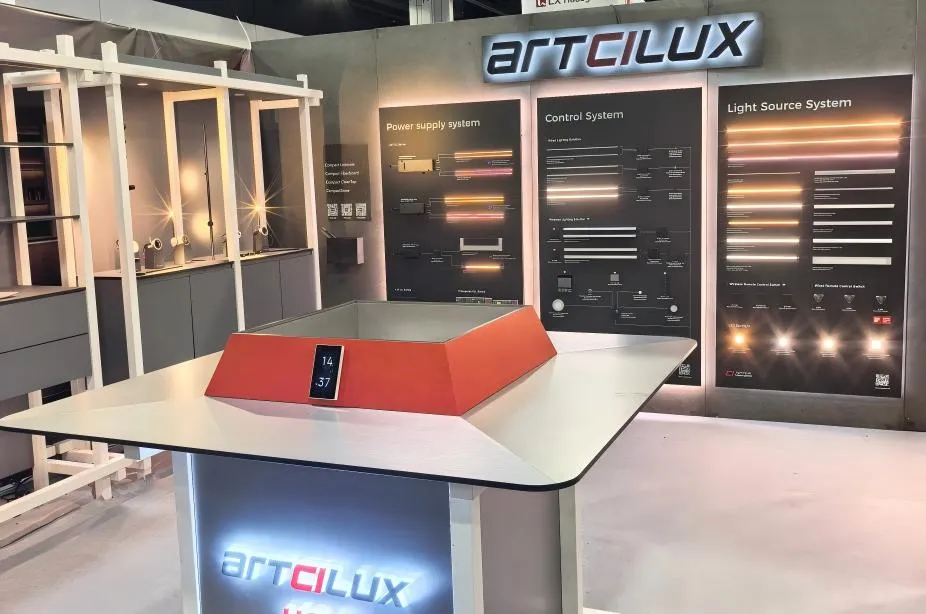
Furniture manufacturers face very different lighting requirements from individual homeowners.
A homeowner may need only a few lights for a single kitchen, wardrobe, or display cabinet. Furniture manufacturers, however, need lighting solutions that can be integrated into furniture designs, standardized for production, and repeatedly applied across different projects.
This is where an integrated cabinet lighting system becomes valuable.
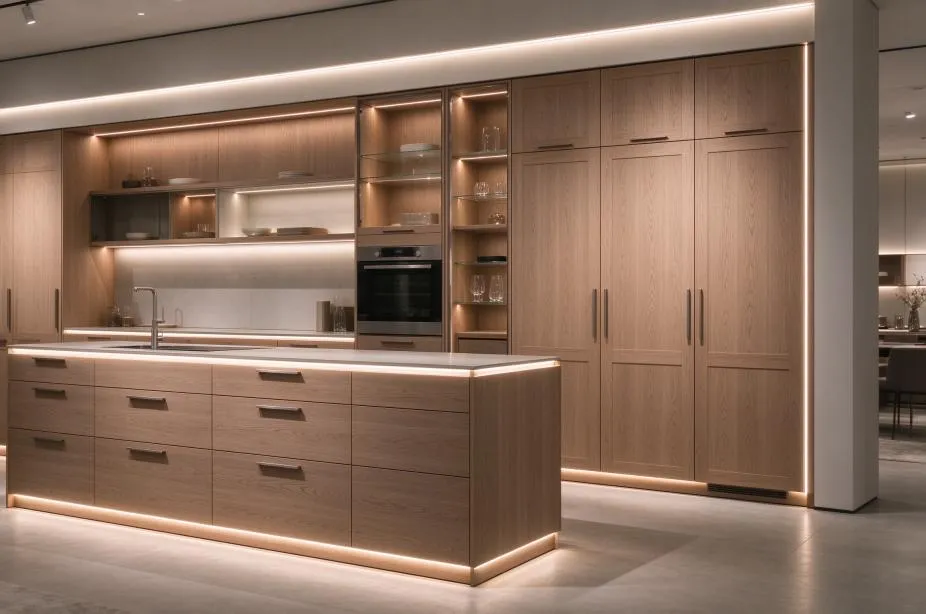
A professional furniture lighting system is more than a collection of LED fixtures. It combines lighting fixtures, LED drivers, sensors, controllers, switches, connectors, profiles, and installation accessories into a coordinated solution designed for furniture applications.
For furniture manufacturers, lighting should not be treated as an additional accessory added at the end of production. It needs to work together with the furniture structure, production process, installation method, and final application.
Why Furniture Manufacturers Need an Integrated Lighting System
Small lighting-related issues can become larger challenges during furniture production and installation.
A driver that does not fit the available installation space can complicate cabinet design. An unsuitable connector can make installation more difficult. If sensor installation methods are not clearly defined, different installers may use different approaches.
Lighting consistency is another important consideration. Differences in color temperature, brightness, or light distribution can affect the appearance of finished furniture, especially when the same furniture design is produced in multiple batches.
For furniture manufacturers, an integrated lighting approach helps create a more consistent relationship between furniture structures and lighting components.
A suitable cabinet lighting system should consider:
Compatibility between lighting components and furniture structures
Matching between fixtures and power supplies
Sensor and control requirements
Connector configuration
Installation methods
Lighting consistency
Replacement and maintenance requirements
Repeatable production applications
The value of an integrated system is not only providing illumination, but also making the lighting solution easier to select, install, reproduce, and maintain.
What Is Included in an Integrated Cabinet Lighting System?
A complete cabinet lighting system consists of multiple components that work together to create a practical furniture lighting solution.
.webp "integrated-cabinet-lighting-system-furniture-manufacturers.png")
LED Lighting Fixtures
Different furniture applications require different lighting formats.
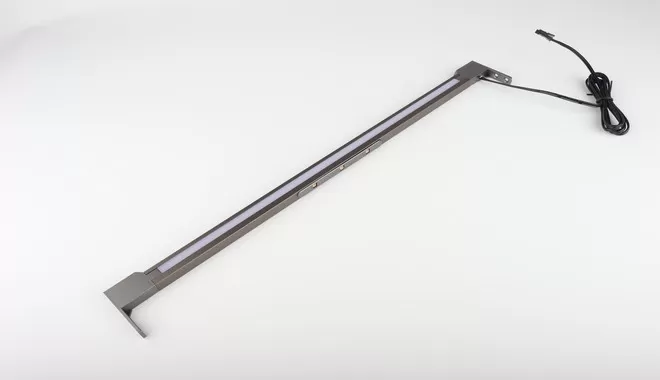
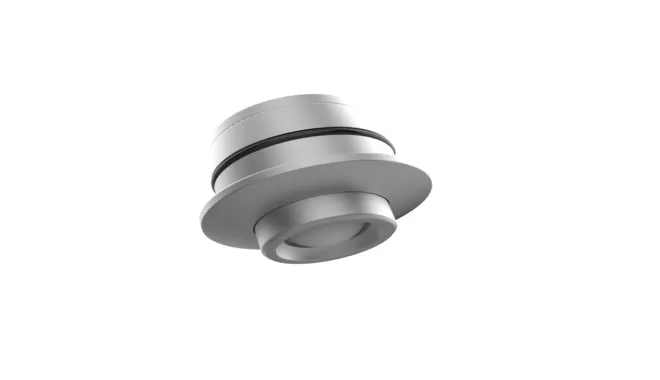
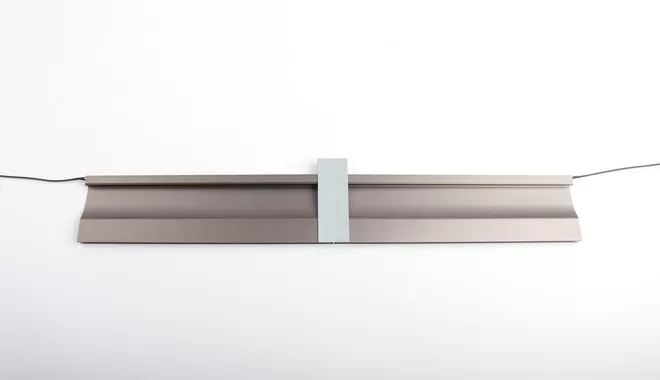
Depending on the furniture structure and lighting purpose, a system may include:
The appropriate fixture depends on cabinet dimensions, installation position, lighting direction, appearance requirements, and application scenarios.
LED Drivers and Power Supplies
LED drivers provide the appropriate electrical output required by lighting fixtures.
For furniture applications, the driver needs to be considered together with the lighting load, installation space, wiring configuration, and control requirements.
Proper matching between drivers and lighting fixtures is an important part of system design.
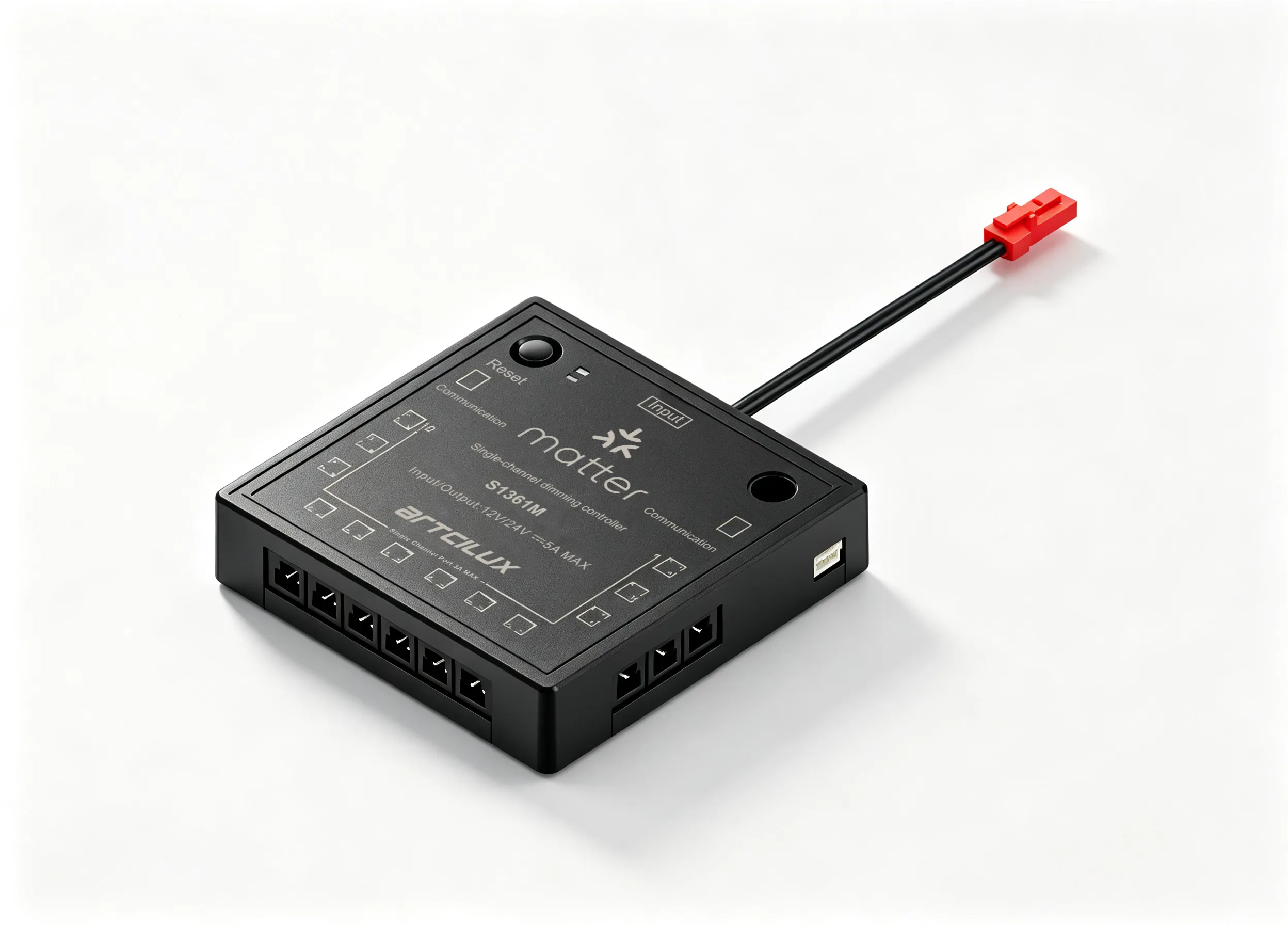
Sensors and Controllers
Furniture lighting often requires convenient control methods.
Sensors, switches, dimmers, and controllers can provide functions such as automatic switching, touch control, or brightness adjustment depending on application requirements.
For wardrobes, drawers, cabinets, and display furniture, these control components can become an important part of the overall user experience.
Connectors
Connectors provide the electrical connection between different components within the lighting system.
A suitable connector system can simplify installation, reduce connection errors, and improve consistency during repeated production.
For furniture manufacturers, standardized connection methods are especially valuable when the same lighting configuration needs to be applied across multiple furniture units.
Profiles and Installation Accessories
Profiles and installation accessories determine how lighting components are integrated into furniture structures.
They help provide suitable mounting methods while maintaining a clean appearance.
For customized furniture projects, installation accessories need to match cabinet structures, material thickness, and design requirements.
A complete lighting solution therefore needs to consider both electrical compatibility and mechanical installation.
Common Cabinet Lighting Challenges for Furniture Manufacturers
Furniture manufacturers may experience several practical challenges when lighting components are selected separately.
Different Components May Not Work Together
Individual lighting components may function correctly on their own but still create compatibility issues when combined.
A system-based approach helps manufacturers evaluate fixtures, drivers, sensors, connectors, and accessories as a complete solution.
Installation Methods Can Be Inconsistent
When lighting configurations are not clearly defined, different production workers or installers may use different installation methods.
This can affect production efficiency and final product consistency.
Lighting Quality Affects Furniture Appearance
Lighting is part of the visible quality of finished furniture.
Differences in color temperature, brightness, color rendering, and light distribution can influence how cabinets, wardrobes, shelves, and display areas appear.
Consistent lighting performance is therefore an important consideration for furniture manufacturers.
Limited Space for Electrical Components
Modern furniture designs often focus on clean appearance and efficient space utilization.
Drivers, sensors, connectors, and other components need to be considered during furniture design to avoid affecting storage space or visual appearance.
Maintenance Requirements
Furniture lighting systems may require replacement or maintenance after installation.
A clear component structure and standardized connection method can make maintenance easier when service is required.
What Should Furniture Manufacturers Look for in a Cabinet Lighting Supplier?
Choosing a lighting supplier is not only about comparing the price of individual products.
Furniture manufacturers should consider whether the supplier can provide a complete and practical lighting solution.
System Compatibility
Can lighting fixtures, drivers, sensors, controllers, connectors, and accessories work together as one system?
Production Repeatability
Can the same lighting configuration be reproduced consistently across different furniture units and projects?
Installation Efficiency
Are installation methods and component connections clear enough for production workers and installers?
Project Flexibility
Can the lighting solution be adapted according to different furniture structures, dimensions, applications, and project requirements?
Component Matching Support
Can the supplier help match suitable fixtures with drivers, sensors, controllers, connectors, and other accessories?
Technical Support
When project requirements change, can the supplier provide suitable suggestions for lighting configuration and component selection?
These practical considerations are often more important for furniture manufacturers than simply selecting individual lighting products.
Artcilux Integrated Lighting Systems for Furniture Applications
Artcilux focuses on integrated cabinet and furniture lighting solutions, combining LED fixtures with supporting electrical and installation components.
The lighting system can support applications including:
Depending on application requirements, an integrated lighting system can include:
LED lighting fixtures
LED drivers
Sensors
Controllers
Connectors
Profiles
Installation accessories
This system-based approach allows furniture manufacturers to consider lighting fixtures and supporting components together instead of selecting each part separately.
By integrating lighting into the furniture design process, manufacturers can create more consistent solutions for production, installation, and end-user applications.
From Furniture Design to Lighting Integration
For professional furniture manufacturers, cabinet lighting should be considered as part of the furniture design process.
A typical system relationship can be understood as:
Furniture Structure → Lighting Fixture → Driver → Control Component → Connector → Installation Method
Each component influences the final lighting result.
The furniture structure determines where lighting can be installed. The lighting configuration affects driver selection. The application determines whether sensors, switches, or dimming functions are required. Installation conditions influence the selection of connectors and accessories.
Considering these factors early helps create a more complete and reliable furniture lighting solution.
Standardization and Flexibility for Furniture Projects
Furniture manufacturers need both standardization and flexibility.
Standardization allows manufacturers to apply proven lighting configurations across multiple furniture units and production batches.
Once a suitable combination of fixtures, drivers, sensors, connectors, and accessories has been selected, the same system logic can be applied to similar projects.
At the same time, different furniture projects may require different specifications.
Cabinet dimensions, lighting positions, control requirements, and installation conditions can vary depending on the project.
A practical furniture lighting supplier should therefore provide a system approach that supports different applications while maintaining compatibility between components.
Choosing the Right Integrated Cabinet Lighting System
A high-quality furniture lighting solution should do more than provide illumination.
It should match furniture structures, use compatible components, support efficient installation, and provide consistent lighting performance.
For furniture manufacturers, the key question is not simply:
“Which cabinet light should we buy?”
The better question is:
“Which lighting system can work with our furniture design, production process, installation requirements, and project needs?”
Moving from individual lighting components to an integrated cabinet lighting system helps manufacturers create more efficient and reliable furniture solutions.
Artcilux provides integrated cabinet and furniture lighting solutions covering LED fixtures and supporting components for cabinets, wardrobes, display furniture, drawers, shelving, hotel furniture, and other furniture applications.
Artcilux — Lighting the craftsmanship behind better furniture.
For furniture manufacturers evaluating an integrated cabinet lighting solution, the starting point is to define the furniture application, structure, lighting requirements, control method, and installation conditions. These factors can then be used to determine the appropriate lighting configuration and supporting components.
.webp "S2102 Wireless Knob Remote Control for Dimming and Color Temperature Adjustment")